James Solomon Russell (20 December 1857 – 28 March 1935), born enslaved in Mecklenburg County, Virginia, shortly before the American Civil War, was an Episcopal priest and educator. He founded Saint Paul Normal and Industrial School, which later became…
James Still (April 9, 1812 – March 9, 1882) was an African-American medical doctor, herbalist, and author. He was known as "The Black Doctor of the Pines", referring to the New Jersey Pine Barrens region. His parents were slaves and he was born into…
James Thompson (1799–1884) was the first African-American settler in St. Paul, Minnesota and an English-Dakota interpreter for Methodist missionary Alfred Brunson. He was born enslaved but achieved his freedom in 1837.
James William Charles Pennington (c. 1807 – October 22, 1870) was an American historian, abolitionist, orator, minister, writer, and social organizer. Pennington is the first Black student known to have attended Yale University. He was ordained as a…
James Watkins (born c. 1823), was an African-American author and abolitionist. After managing to escape from slavery, Watkins travelled to the United Kingdom, where he gave several lectures against American slavery.
James Webster Smith (June 1850 – November 30, 1876) was an American professor and a cadet at the United States Military Academy. A former slave, Smith became a scholar and is recognized as the first black person appointed to a cadetship at West Point. His…
Jamil Smith (born September 23, 1975) is an American print and television journalist. After working as an essayist at the Los Angeles Times, he became the editor-in-chief of The Emancipator in November 2023. His reporting and commentary deal with a range…
Jane Elkins (c. 1800 — May 27, 1853) was an enslaved African American woman from Dallas, Texas. She is known for being the first woman to be legally executed in Texas.
Jane Johnson (c. 1814-1827 – August 2, 1872) was an African-American slave who gained freedom for herself and her two sons on July 18, 1855. Pennsylvania had abolished slavery within the state in the 1840s, but her enslaver, John H. Wheeler, voluntarily…
Jane Johnson Endsley (c. 1848–1933) was a successful Dallas businesswomen and community leader. A former slave, Endsley eventually ran one of the city's largest railroad-yard coal and log businesses.
Jane Minor (c. 1792 – 1858), also known as Gensey (or Jensey) Snow, was an African-American healer and slave emancipator, one of the few documented enslaved healing practitioners in United States history.
Jane Clark Putnam was a prominent abolitionist in Boston. She came from a family considered to be part of the educated Black elite of the northern states. She was the wife of George Putnam and the mother of the noted educator Georgiana Frances Putnam.…
Janetta Louise Johnson (born 1964/1965) is an American transgender rights activist, human rights activist, and prison abolitionist. She is the CEO of the TGI Justice Project. She co-founded the non-profit TAJA's Coalition in 2015.
Jay Arlen Jones (March 8, 1954 – February 28, 2023) was an American film and television actor. Born in Los Angeles, California, he was active from the early 1980s. His most recognized role is that of Occam, the African-American slave enlisted as a Patriot…
John Randolph (born 1972), better known as Jay Smooth, is an American cultural commentator best known for his Ill Doctrine video blog. He is also the founder of New York City's longest-running hip-hop radio program, WBAI's Underground Railroad. Smooth left…
Jefferson Shields (August 25, 1829 – April 4, 1918) was an American slave who was a body servant to Confederate Colonel James Kerr Edmondson during the American Civil War.
Jeffrey Brace (born Boyrereau Brinch; c. 1742 – April 20, 1827) was a formerly enslaved person who was taken from West Africa around 1750 and a veteran of the American Revolutionary War. He became the first African-American citizen of Poultney, Vermont.…
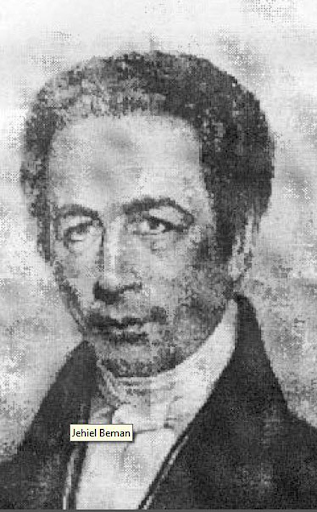
Jehiel C. Beman (1791–1858) was an African-American 19th-century minister and abolitionist. He was a leader for suffrage and temperance, and he was an agent for the Underground Railroad in Connecticut. His son Amos Beman was also a prominent abolitionist.
Jennie Carter (after first marriage, Correll; after second marriage, Carter; pseudonyms, Anna J. Trask and Semper Fidelis; c. 1830 – August 1881) was an American journalist and essayist who wrote for the California African-American newspaper The Elevator…
Jane Serepta Dean (April 15, 1848 – May 3, 1913) (nicknamed "Jennie" or "Miss Jennie") was born into slavery in northern Virginia, freed as a result of the American Civil War, and became an important founder of churches and Sunday Schools for African…
Jennifer Lyle Morgan (born 1966) is an American historian of United States history, focusing on 16th and 17th century African-American history and the development of slavery in the Atlantic World through the lens of gender. She is a professor of History in…
Jenny Slew (c. 1719 – after 1765) was one of the first enslaved Black Americans to sue for her freedom, and the first person to succeed through trial by jury. Her lawyer was Benjamin Kent.
Jeremiah Burke Sanderson (August 10, 1821 – August 19, 1875) was an American abolitionist, pastor, and advocate for the civil and educational rights of Black citizens in the United States. Growing up in New Bedford, Massachusetts, Sanderson in his early…
 Loading image…